

RECENT SERMONS
Featured

What if the things we call “ours” were never really ours to begin with?
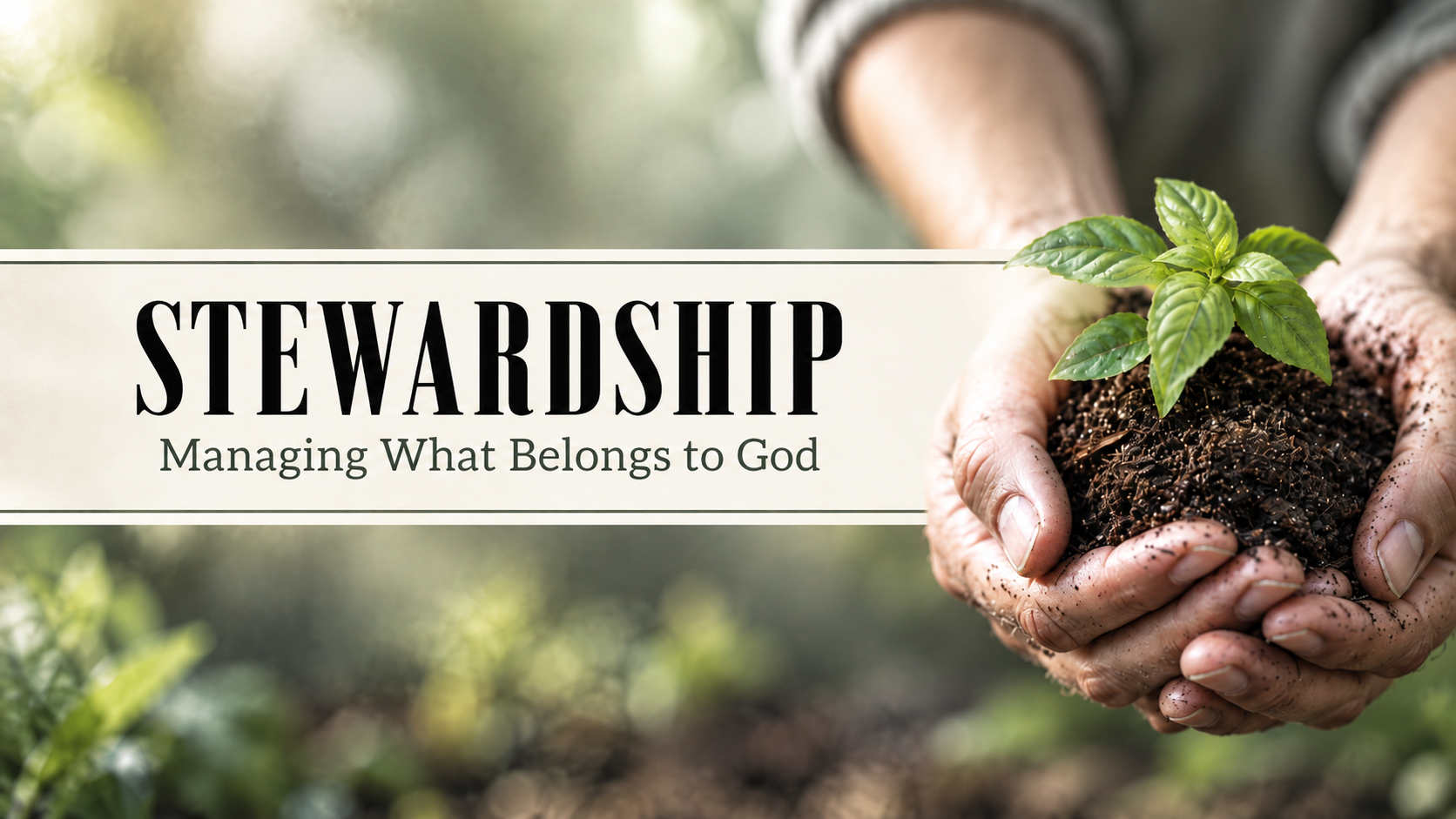
Jesus’ Parable of the Talents confronts us with a fundamental truth about stewardship: God is the owner, and we are His stewards. Everything placed in our hands has been entrusted to us for a purpose, and one day we will give an account for what we did with it.
In this sermon, Pastor Mark calls us to consider what it means to faithfully manage what belongs to God and why genuine discipleship requires more than simply preserving what we have been given. Faithful stewards put God’s resources to work for God’s purposes.
Stewardship begins long before we decide what to do with our money. It begins with our relationship with God.
In The Heart of a Steward, we explore the biblical foundation for stewardship and discover how our covenant relationship with God reshapes the way we view everything He has entrusted to us. When we understand who God is, what belongs to Him, and who we are in relationship to Him, stewardship becomes more than an obligation, it becomes a faithful response to the God who has been faithful to us.
In Nehemiah, we see a man whose heart was broken by a need he could no longer ignore. In “Rebuilding What’s Broken,” Daniel Turner of Families 4 Families challenges us to consider the brokenness affecting children and families in our own community and to ask how God may be calling us to respond. Not everyone is called to foster, but every believer can have a part in bringing hope, support, and the love of Christ to vulnerable children and families.
Peter had failed Jesus at the moment when his loyalty mattered most, and afterward the familiar life of fishing may have seemed safer than facing an uncertain future. But Jesus was not finished with Peter. He met him in his emptiness, welcomed him with grace, confronted his failure without discarding him, and restored his heart before renewing his calling. At one fire Peter had denied Christ; at another fire Christ restored Peter. This message is a reminder that failure does not have to become the final chapter of a life surrendered to Jesus. Christ restores those who return to Him, renews their love, and calls them once again to follow and serve.
understand. His timing seemed confusing, His delay painful, and the situation completely beyond hope. Yet Jesus used the moment to move their faith beyond what He could do to who He is. He revealed both His tender compassion and His resurrection power, calling them to trust and obey before they could see the outcome. This message reminds us that faith is not confidence that circumstances will turn out the way we expect; it is confidence in the Person of Jesus Christ. When we face what seems impossible, we can trust His heart, obey His Word, and depend upon Him to do what only He can do.
The man among the tombs was a vivid picture of the devastating bondage of sin. Human efforts could restrain him temporarily, but no one could truly change him—until Jesus came. With absolute authority, Christ delivered him from what held him and transformed his life. The man who had been restless, exposed, and tormented was soon sitting, clothed, and in his right mind. But transformation was not the end of his story; Jesus sent him home to tell others what the Lord had done for him. This message reminds us that no bondage is beyond the authority of Christ, and a life genuinely changed by Jesus becomes a witness to His grace and power.
The Samaritan woman came to the well looking for water, but Jesus knew the deeper thirst of her heart. He sought her when others would have avoided her, exposed the insufficiency of everything she had pursued for satisfaction, confronted her sin with grace, and ultimately revealed Himself as the answer she truly needed. Her encounter with Christ changed both her priorities and her purpose. This message points us to the truth that nothing in this world can satisfy the deepest needs of the heart like Jesus Christ, and when He truly satisfies us, it changes what matters to us and gives us a story worth telling.
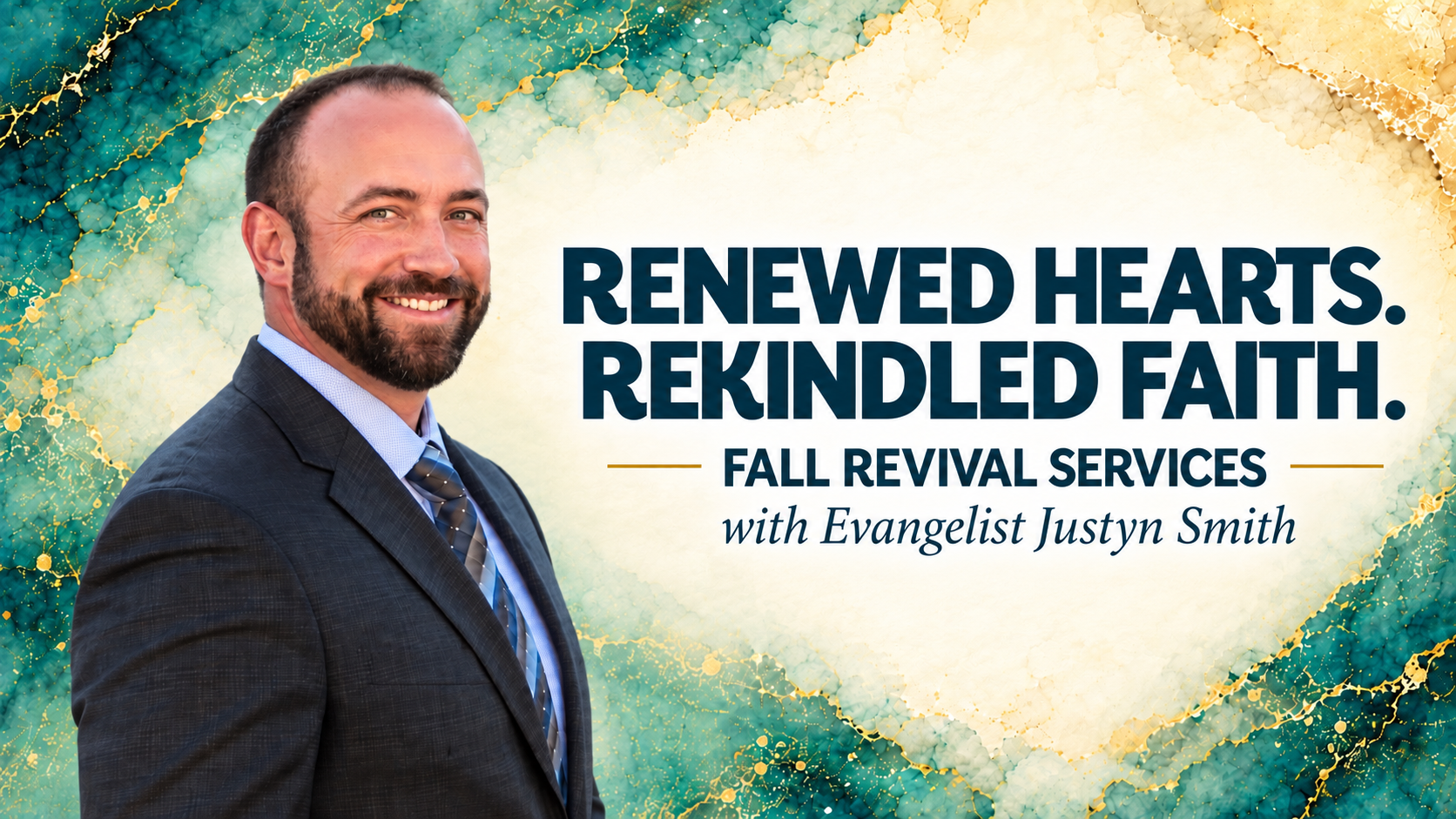
Discouragement and disappointment can cloud our view of what God is doing. On the road to Emmaus, two disciples believed their hopes had been shattered, but Jesus met them in their confusion and brought them back to the Scriptures. As He opened the Word, their eyes were opened to Christ and their hearts began to burn again. This message reminds us that revival begins when the Word of God renews our vision of Christ, rekindles our hearts, and changes the direction of our lives. Renewed hearts do not simply feel differently—they return to obedience and begin telling others about Jesus.
After the people responded to God and began rebuilding the temple, another challenge quickly emerged: discouragement. Some remembered the former temple and could not help comparing the small beginnings in front of them with the glory of the past.
In When Faithfulness Feels Small, Haggai speaks to those moments when obedience seems unimpressive, progress feels slow, and our best efforts appear insignificant. God reminds His people that the value of their work was not determined by how impressive it looked, but by His presence with them and His purposes for what they were doing.
This message encourages us to keep going when faithfulness feels small, trusting that God sees obedience differently than we do. What seems insignificant in our eyes can become part of something far greater in His hands.
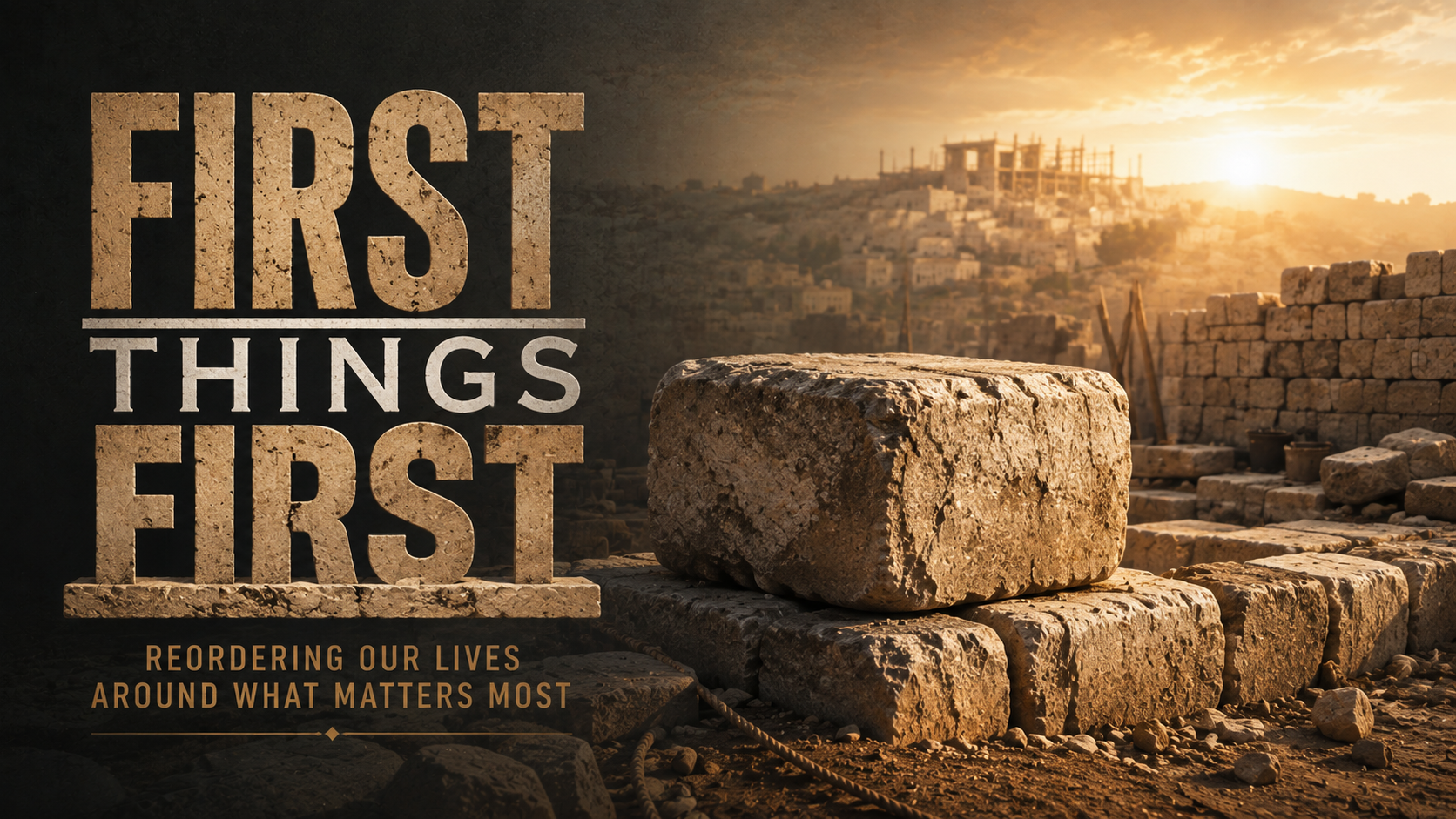
The people of Judah had returned home with every intention of rebuilding the temple, but somewhere along the way, their priorities changed. God’s house remained unfinished while they poured their time, energy, and resources into building comfortable lives for themselves.
Haggai confronts the subtle danger of spiritual drift. Through repeated calls to “consider your ways,” God challenges His people to examine why they were working harder yet finding less satisfaction.
This message reminds us that misplaced priorities will eventually reveal themselves in our hearts and lives. God lovingly calls us to stop, take an honest look at what has become most important to us, and put first things first.
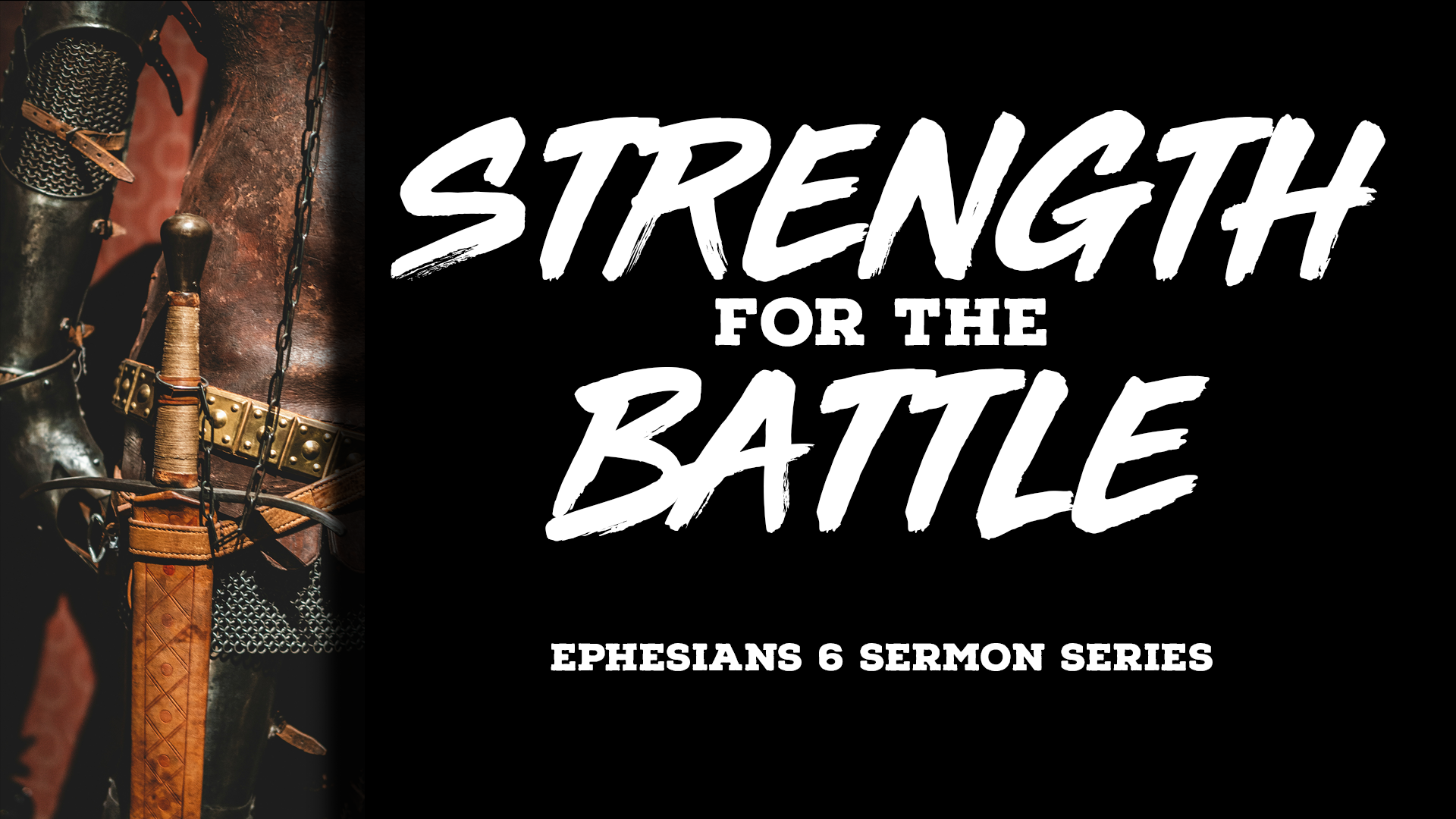
Paul's description of spiritual warfare does not end with the sword, it leads directly into prayer. Prayer is not an optional addition to the armor of God; it is the atmosphere in which the entire battle is fought. This message challenges believers to develop lives characterized by continual, Spirit-dependent, watchful, and persevering prayer for themselves and for others.
Every piece of armor prepares the believer to stand, but God also places a weapon in our hands: “the sword of the Spirit, which is the word of God.” This message examines the power and sufficiency of Scripture in spiritual warfare. Following Christ's example when He was tempted, believers learn to know, trust, and wield God's Word against the lies and temptations of the enemy.
Some of Satan's fiercest battles are fought in the mind. Doubt, fear, guilt, and uncertainty can weaken believers when they lose sight of what God has accomplished for them in Christ. The helmet of salvation reminds us to protect our thinking with the certainty of God's saving work and to live with confidence in the past, present, and future dimensions of our salvation.
The enemy's fiery darts can come in the form of fear, doubt, discouragement, temptation, and accusation. God's answer is the shield of faith. This message explores what biblical faith looks like when life becomes difficult and teaches us to trust the character, promises, and faithfulness of God even when we cannot understand what He is doing.
The world teaches us to hold tightly to what we have. Jesus teaches us to live with open hands.
Pastor Joe leads us to discover that stewardship encompasses far more than our finances. God has entrusted us with our time, abilities, possessions, relationships, opportunities, and ultimately our entire lives. Rather than asking, “How much do I have to give?” faithful stewardship asks, “How can everything God has entrusted to me be used for His kingdom?”
Following Jesus means learning to loosen our grip on what we possess and becoming willing to use our lives for the good of others and the glory of God.
Please note that due to a power failure during the service there may be portions of the service that are interrupted.